
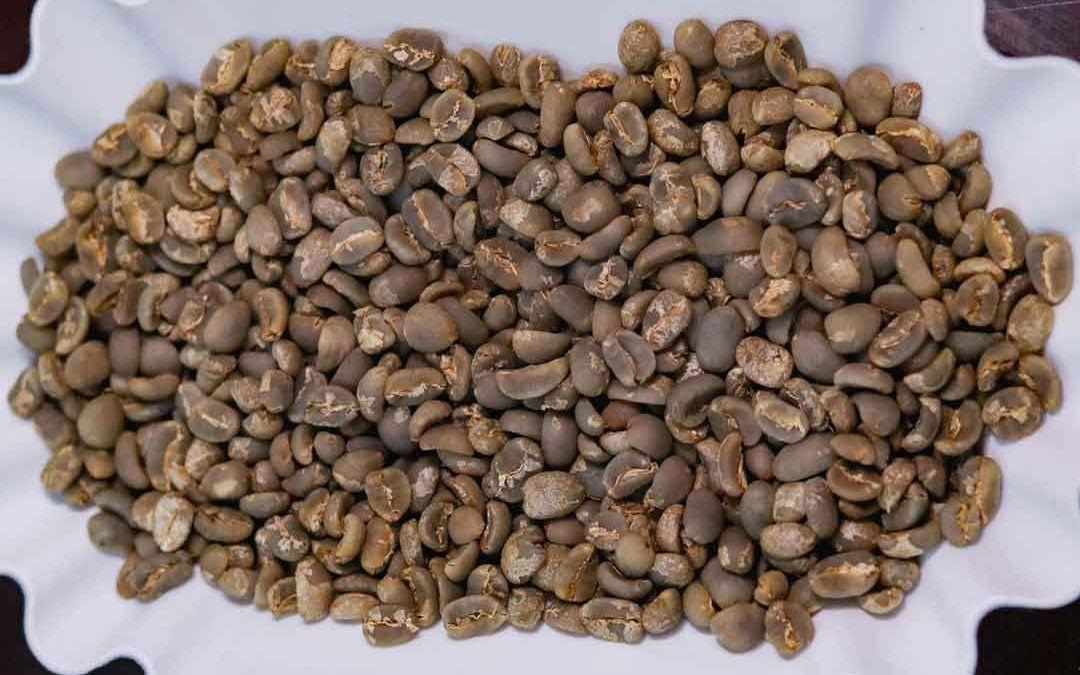
High in the mountains of Aceh, at the northern tip of Sumatra, farmers have been growing Gayo coffee for more than a century. It’s one of Indonesia’s most respected Arabicas: full bodied and sweet like the best Sumatran coffees, but often brighter and more fruity than its neighbors to the south. Specialty roasters around the world buy it as a single origin, and it was the first Indonesian product of any kind to win protected geographical status in the European Union.
We source Arabica from the Gayo Highlands, so this is a coffee we know well. This guide covers where Gayo coffee grows, the varieties and processing behind it, how it tastes, how it compares with Mandheling, and what to know before you buy it as green coffee.
Gayo coffee at a glance
| Species | Arabica |
| Region | Gayo Highlands, Aceh: Aceh Tengah, Bener Meriah and Gayo Lues |
| Altitude | Roughly 900–1,700 masl; our partner farms sit at about 1,200–1,600 m |
| Main varieties | Tim Tim, Ateng, Borbor, S795, Catimor and Bourbon types |
| Process | Mostly wet hulled (semi-washed); some washed and natural lots |
| Cup profile | Syrupy body, medium acidity, brown spice, chocolate, citrus |
| Protected name | Kopi Arabika Gayo: Indonesian GI (2010), EU PGI |
Where Gayo coffee grows

The Gayo Highlands sit along the Bukit Barisan mountain range in central Aceh, Indonesia’s northernmost province. The heart of the region is Takengon, a highland town on the shores of Lake Laut Tawar, surrounded by green hills planted with coffee. Officially, Gayo coffee comes from three districts: Aceh Tengah, Bener Meriah and Gayo Lues.
The coffee is named after the Gayo people, the community native to these highlands. Coffee became an important cash crop here during the Dutch colonial period in the early 1900s, and today it’s the backbone of the local economy. Most of it is grown by smallholders on family plots, often under shade trees, and many farmers belong to cooperatives that hold organic or fair trade certification.
The altitude makes a big difference. Nights are cool, so cherries ripen slowly and build up more sugar and complexity. Most Gayo coffee grows between about 1,000 and 1,600 meters, on volcanic soil with plenty of rain.
A protected name
“Gayo” on a coffee bag isn’t just a description. Indonesia registered Kopi Arabika Gayo as a Geographical Indication in 2010, and the European Union later recognized it as a Protected Geographical Indication. It was the first Indonesian product to receive that status in the EU.
In practice, that means coffee sold under the name has to come from the defined Gayo districts and follow the agreed growing and processing methods. For buyers, it adds a layer of protection against blends or coffees from elsewhere being passed off as Gayo.
Gayo coffee varieties
Gayo coffee isn’t one single variety. Farmers grow a mix of cultivars that suit the highlands, and many lots blend several together. The ones you’ll hear about most are:
- Tim Tim: a widespread variety in Sumatra, prized for good cup quality.
- Ateng (Ateng Super, Ateng Jaluk): compact, productive and well suited to higher altitudes.
- Borbor: a local favorite, valued for its resistance to the coffee berry borer.
- S795: a variety from India that’s common across Indonesia.
- Catimor and Bourbon types: also grown in the region.
Altitude and variety work together. A 2024 study in the International Journal of Design & Nature and Ecodynamics by Abubakar and colleagues looked at Gayo farms at different elevations. The share of defective beans fell steadily as altitude rose, from over 14% on lower farms to under 9% on the highest ones. The best yield of good-quality beans came from mid-altitude farms around 1,200–1,400 m. Different varieties also did best at different heights: Borbor on lower farms, and Ateng Super on the highest ones.
If you’re curious about how varieties shape a coffee, our post on the Catuai coffee variety is a good example from another part of the coffee world.
How Gayo coffee is processed
Like most Sumatran Arabica, Gayo coffee is traditionally wet hulled, a method known locally as giling basah and often sold as “semi-washed.” The coffee is pulped, briefly fermented and washed, then partly dried. While the beans are still damp, the parchment is stripped off with a wet huller, and the green beans finish drying to around 12% moisture. That gives Gayo its blue-green color and much of its body.
Gayo is also one of the Indonesian regions where producers increasingly make fully washed and natural lots for specialty buyers. Washed Gayo tends to taste cleaner and brighter, while naturals show more fruit. Our guide to coffee processing explains how each method changes the cup.

What Gayo coffee tastes like
Gayo shares the heavy body Sumatra is known for, but it’s usually a little brighter and cleaner than other Sumatran Arabicas. Think of it as the more elegant cousin in the family.
Expect a syrupy, full body and a long finish. The acidity is medium, lively enough to keep the cup interesting, with citrus notes like orange or grapefruit in good lots. Underneath you’ll usually find chocolate, caramel and a gentle brown spice. The best lots are clean and sweet, without the heavy earthiness some people associate with Sumatra.
Gayo vs Mandheling
Gayo and Mandheling are Sumatra’s two best-known Arabicas, and buyers often compare them.
| Gayo | Mandheling | |
|---|---|---|
| Region | Gayo Highlands, Aceh | North Sumatra highlands |
| Body | Full, syrupy | Very heavy, syrupy |
| Acidity | Medium, often citrusy | Low to medium |
| Typical notes | Chocolate, brown spice, orange, caramel | Dark chocolate, earthy, herbal, cedar |
| Style | Cleaner and a little brighter | Deeper and earthier |
| Best for | Single origin, filter and espresso | Espresso, blends, dark roasts |
Both are wet hulled Arabicas, so they share a family resemblance. Read our full guide to Sumatra Mandheling coffee for the other side of the comparison.
Buying Gayo green coffee
When you’re buying Gayo, a few questions will tell you a lot about a lot:
- Which district and altitude? Aceh Tengah, Bener Meriah or Gayo Lues, and roughly how high.
- Which process? Wet hulled, fully washed or natural. They taste very different.
- Which grade? Grade 1 Triple Pick is the top export preparation. See our green coffee facts for how grading works.
- Moisture and crop year. Around 12% moisture and the most recent harvest.
- A sample. Always cup before you commit. Our guides to green beans coffee sampling and coffee cupping explain how.
Our Gayo coffee
We work with partner farmers in the Gayo Highlands at about 1,200 to 1,600 meters, growing varieties such as Bourbon, Tim Tim, Ateng, Super and Catimor. Here’s what we offer:
| Item | Details |
|---|---|
| Grades | Grade 1 TP, Grade 1 DP, Grade 2, Grade 4 |
| Process | Semi-washed (wet hulled) |
| Cup profile | Syrupy body, medium acidity, brown spice, sweet orange, grapefruit |
| Packing | 60 kg jute bags |
| Price terms | FOB, CFR, CIF (negotiable) |
| Payment | L/C or bank transfer |
| Loading port | Belawan, Medan |
Once you’ve landed your coffee, our green coffee storage guide will help you keep it at its best. You can see all our origins on the Coffee Offerings page.
Cup our Gayo coffee
Request a sample of our Gayo Arabica from the highlands of Aceh and taste it in your own roastery.
Frequently asked questions
What is Gayo coffee?
Gayo coffee is Arabica grown in the Gayo Highlands of Aceh, at the northern tip of Sumatra, Indonesia. It’s known for a syrupy body, medium acidity and notes of chocolate, spice and citrus.
Where does Gayo coffee come from?
From three districts in central Aceh: Aceh Tengah (around Takengon and Lake Laut Tawar), Bener Meriah and Gayo Lues.
What does Gayo coffee taste like?
Full bodied and sweet, with medium acidity. Common notes include dark chocolate, caramel, brown spice and citrus such as orange or grapefruit.
Is Gayo coffee Arabica or Robusta?
Arabica. Gayo coffee grows at high altitudes where Arabica thrives. Learn more in our Arabica vs Robusta guide.
What is the difference between Gayo and Mandheling coffee?
Both are wet hulled Sumatran Arabicas. Gayo comes from Aceh and is usually a little brighter and cleaner, with citrus notes. Mandheling comes from North Sumatra and tends to be heavier and earthier.
Is Gayo coffee a protected name?
Yes. Kopi Arabika Gayo is a registered Geographical Indication in Indonesia and a Protected Geographical Indication in the European Union.
CV. Buah Berdikari is a coffee trading and exporting company based in North Sumatra, Indonesia. We source Arabica and Robusta green coffee from North Sumatra and Aceh and help roasters and importers find the lots that fit what they’re making.