
Gayo vs Mandheling is one of the most common comparisons roasters make when they buy Sumatran coffee. Both are Arabicas from the highlands of northern Sumatra, both are usually wet hulled, and both have the heavy body and low acidity Sumatra is famous for. But they come from different provinces, they’re sold under different names for different reasons, and in the cup they’re not the same coffee.
We source both from North Sumatra and Aceh, so this is a question we answer often. This guide puts Gayo and Mandheling side by side: where each one grows, what the names mean, how they taste, how they’re processed and graded, and which one suits your roast and your customers.
Gayo vs Mandheling at a glance
| Gayo | Aceh province; Gayo Highlands around Takengon and Lake Laut Tawar |
| Mandheling | North Sumatra; highlands around Lake Toba and the Tapanuli region |
| What the name means | Gayo is a protected place name; Mandheling is a trade name |
| Typical cup, Gayo | Syrupy body, medium acidity, brown spice, chocolate, citrus |
| Typical cup, Mandheling | Heavier body, lower acidity, earthy, chocolate, herbal, spice |
| Main process | Both mostly wet hulled (giling basah) |
| Export grades | Both Grade 1 TP, Grade 1 DP, Grade 2, Grade 4 |
| Best for | Gayo: lighter roasts and single origin; Mandheling: espresso, milk drinks and darker roasts |
Gayo vs Mandheling: side-by-side comparison
| Gayo | Mandheling | |
|---|---|---|
| Province | Aceh | North Sumatra (Sumatera Utara) |
| Main growing areas | Aceh Tengah, Bener Meriah, Gayo Lues | Highlands around Lake Toba, including Tapanuli areas |
| Altitude | Roughly 900–1,700 masl | Around 1,000–1,500 masl |
| Name type | Geographical indication (Indonesian GI 2010, EU PGI) | Trade name, from the Mandailing people |
| Common varieties | Tim Tim, Ateng, Borbor, S795, Catimor and Bourbon types | Ateng, Sigarar Utang, Tim Tim, S795 |
| Processing | Mostly wet hulled; some washed, natural and honey lots | Mostly wet hulled; some fully washed lots |
| Body | Full and syrupy | Heavy and syrupy |
| Acidity | Medium | Low to medium |
| Flavor | Brown spice, chocolate, citrus, sometimes floral | Earthy, dark chocolate, herbal, cedar, spice |
| Cleanliness | Usually cleaner and brighter | Deeper and more rustic |
| Roast range | Light-medium to medium-dark | Medium to dark |
Gayo vs Mandheling: where they grow
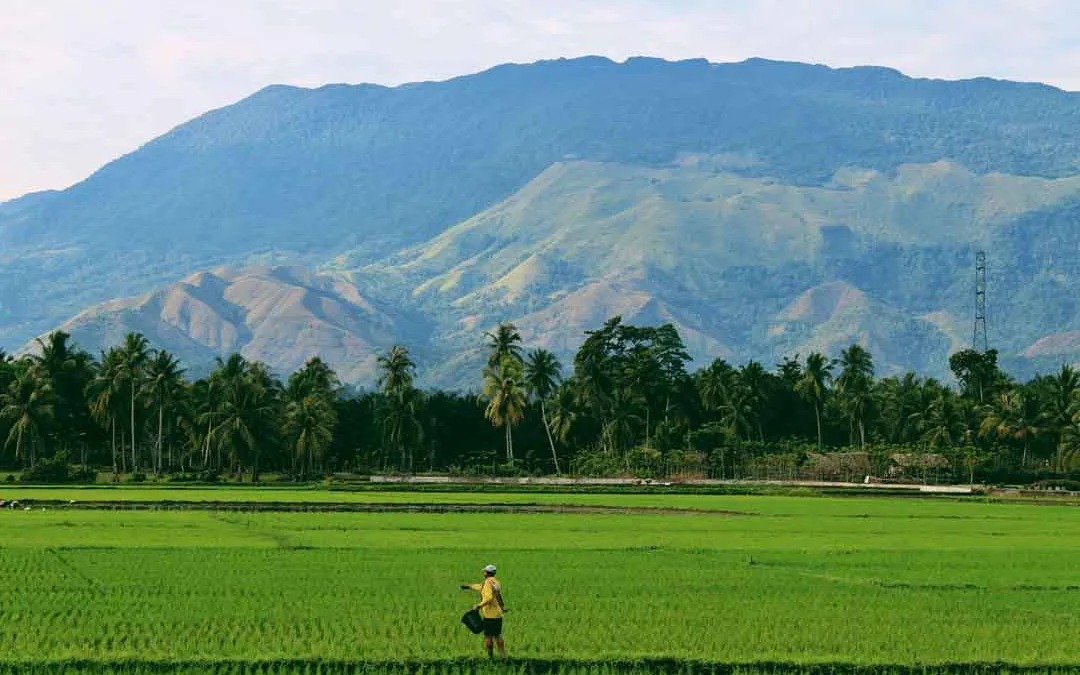
Gayo coffee comes from the Gayo Highlands of Aceh, at the northern tip of Sumatra. The heart of the region is Takengon and Lake Laut Tawar, in the districts of Aceh Tengah and Bener Meriah, with more coffee in Gayo Lues. Smallholders grow it on steep hillsides, usually under shade trees.
Mandheling comes from further south, in the highlands of North Sumatra. Most Mandheling today is grown in the hills around Lake Toba and in the Tapanuli region, the old heartland of the Mandailing people.
Both regions sit along the Bukit Barisan mountains, with volcanic soils, plenty of rain and cool nights. That shared landscape is why Gayo vs Mandheling is such a close comparison. The differences come from altitude, local varieties, how the coffee is processed and, for Mandheling, the way the name is used.
A place name vs a trade name
This is the biggest difference in Gayo vs Mandheling, and the one buyers most often miss.
Gayo is a protected origin. Kopi Arabika Gayo was registered as a geographical indication in Indonesia in 2010, and it’s also protected in the European Union. The name is tied to a defined area of the Aceh highlands.
Mandheling is a trade name. It comes from the Mandailing people of North Sumatra, who grew coffee in Tapanuli during the colonial era. Over time, “Mandheling” became a market name for heavy-bodied, wet hulled Arabica from northern Sumatra, rather than a strict geographic label. Wikipedia’s overview of coffee production in Indonesia describes it in the same way.
In practice, that means two Mandheling lots from different exporters can come from different districts and taste quite different. When you buy Mandheling, ask where the coffee was actually grown. Our guide to Sumatra Mandheling coffee explains the name’s history in more detail.
Gayo vs Mandheling in the cup

Put Gayo vs Mandheling side by side on a cupping table and the family resemblance is clear: full body, low to moderate acidity and a long, sweet finish. The differences show up in the details.
Gayo
Gayo is usually the cleaner, brighter of the two. It keeps Sumatra’s syrupy body, but adds more lift: brown spice, chocolate and caramel, often with a citrus or floral note. Its higher growing altitudes help, and Gayo is also where you’ll find more experimental lots, such as naturals and honeys.
Mandheling
Mandheling is deeper and heavier. Expect dark chocolate, earthy and herbal notes, cedar and spice, with very soft acidity and a long, syrupy finish. It’s the classic “Sumatra” profile that many roasters build espresso blends around.
Variety and processing make a real difference within each origin, too. A 2023 study by Fadhil and Nurba in the Proceedings of the Latvian Academy of Sciences looked at how Gayo’s varieties and processing techniques shape its flavor, which is a good reminder to cup individual lots rather than relying on the origin name alone.
Gayo vs Mandheling processing: mostly wet hulled
In Gayo vs Mandheling, the processing is usually the same: most of both is wet hulled, known locally as giling basah. The parchment is removed while the bean is still wet, and the bean finishes drying on its own. This is what gives both coffees their heavy body, low acidity and dark, bluish-green color as green beans.
The difference is in the alternatives. Gayo has more washed, natural and honey lots than most Sumatran regions, which is one reason it often tastes cleaner and more varied. Fully washed Mandheling exists too, and it’s noticeably brighter than the wet hulled version. Our guide to coffee processing explains how each method changes the cup.
Gayo vs Mandheling grades and quality
Gayo and Mandheling are graded the same way, under the Indonesian national standard for green coffee, which counts defects in a 300 g sample. Both are commonly offered as Grade 1 TP (triple picked), Grade 1 DP (double picked), Grade 2 and Grade 4. Our guide to Indonesian coffee grades explains the defect points behind each grade.
Grade tells you how clean the beans are, not how they taste. That’s why cupping matters. Our guide to coffee cupping explains how to score samples consistently.
Gayo vs Mandheling: which should you buy?
| If you want… | Choose |
|---|---|
| A cleaner, brighter Sumatran single origin | Gayo |
| A classic heavy, earthy Sumatra profile | Mandheling |
| An espresso base or a coffee for milk drinks | Mandheling, or Gayo at a medium-dark roast |
| A coffee that handles darker roasts well | Mandheling |
| Natural or honey process lots from Sumatra | Gayo |
| A protected origin name on your bag | Gayo |
| Two Sumatran single origins that contrast on a menu | Both |
When it comes to Gayo vs Mandheling, many roasters simply carry both. Gayo works as the brighter single origin for pour-over and filter, while Mandheling anchors espresso and darker roasts. If you’re building a menu around origin, our guide to single origin coffee shows how to present them.
Gayo vs Mandheling on the roaster
Neither coffee loves a very light roast. Wet hulled Sumatrans can taste grassy or vegetal when underdeveloped.
- Gayo handles a slightly lighter roast than Mandheling. Light-medium to medium brings out its spice and citrus; medium-dark builds chocolate for espresso.
- Mandheling is at its best between medium and medium-dark, and it’s one of the few origins that still tastes good at darker roasts.
For more on how roast changes the cup, see our guide to light roast vs dark roast. You can read more about each origin in our full guides to Gayo coffee and Sumatra’s coffee regions.
Our Gayo and Mandheling
| Coffee | Processes | Grades |
|---|---|---|
| Arabica Gayo | Wet hulled; some natural, honey and wine processed lots | Grade 1 TP, Grade 1 DP, Grade 2, Grade 4 |
| Arabica Mandheling | Wet hulled; some fully washed lots | Grade 1 TP, Grade 1 DP, Grade 2, Grade 4 |
Both ship in 60 kg jute bags from Belawan port in Medan, on FOB, CFR or CIF terms. See everything we offer on our Coffee Offerings page.
Cup Gayo and Mandheling side by side
Request green samples of both and compare them on your own cupping table.
Frequently asked questions
What is the difference between Gayo vs Mandheling coffee?
Gayo comes from the Gayo Highlands of Aceh and is a protected origin name. Mandheling is a trade name for Arabica from the highlands of North Sumatra. Gayo is usually cleaner and brighter; Mandheling is heavier and earthier.
Is Gayo coffee the same as Mandheling?
No. They’re both northern Sumatran Arabicas and usually wet hulled, but they come from different provinces and taste different.
Which is better, Gayo or Mandheling?
Neither is better overall. Gayo suits roasters who want a brighter single origin; Mandheling suits espresso, milk drinks and darker roasts.
Which has more acidity, Gayo or Mandheling?
Gayo usually has more acidity, typically medium. Mandheling is lower in acidity.
Are Gayo and Mandheling both wet hulled?
Most lots are. Gayo also has washed, natural and honey lots, and some Mandheling is fully washed.
Is Gayo coffee protected?
Yes. Kopi Arabika Gayo is a registered geographical indication in Indonesia (2010) and is protected in the European Union.
CV. Buah Berdikari is a coffee trading and exporting company based in North Sumatra, Indonesia. We source Arabica and Robusta green coffee from North Sumatra and Aceh and help roasters and importers find the lots that fit what they’re making.