
If you roast Sumatran, Javanese or Sulawesi coffee, there’s a good chance you’ve thought about buying it straight from the source. Choosing to import coffee from Indonesia directly can mean fresher lots, better traceability and a closer relationship with the people who grow and prepare your coffee. It can also feel daunting the first time: new terms, new paperwork and a container’s worth of money on the line.
We export green coffee from North Sumatra, and helping buyers through this process is part of our everyday work. This guide lays out the whole journey step by step, from choosing a coffee and approving samples to shipping terms, payment, export documents and what happens when your container lands.
Importing coffee from Indonesia at a glance
| Main export coffees | Sumatra (Mandheling, Gayo, Lintong), Java, Sulawesi, Robusta from southern Sumatra |
| Main ports | Belawan (Medan) for northern Sumatra; Jakarta and Surabaya for Java |
| Standard packing | 60 kg jute bags, often with a hermetic liner |
| Full container | A 20-foot container holds about 320 bags, roughly 19.2 tonnes |
| Common price terms | FOB, CFR (also written CNF) and CIF |
| Common payment | Letter of credit or bank transfer |
| First step | Request and cup samples |
Why import coffee from Indonesia?
Indonesia is one of the world’s largest coffee producers, and it offers something few origins can: real variety under one flag. Sumatra’s wet hulled Arabicas, such as Mandheling and Gayo, give heavy body and low acidity that’s hard to find anywhere else. Java and Sulawesi add their own styles, and the country is also a major source of Robusta.
Buying direct from an Indonesian exporter, rather than through several layers of traders, usually means you know exactly where your coffee came from, you can talk to the people preparing it, and you can build a supply relationship that lasts season after season.
Step by step: how to import coffee from Indonesia
- Know what you need. Decide which coffee styles, grades and volumes you’re after, and when you need them. A roaster buying 2 tonnes a year has different needs from an importer filling containers.
- Find a reliable exporter. Look for a licensed exporter with clear grades, real photos, proper contact details and straight answers. Members of the Indonesian coffee exporters association, AEKI, are a good place to start.
- Request samples. Ask for offer samples of the lots you’re interested in, with grade, process, moisture and crop year listed.
- Cup and compare. Measure moisture, count defects and cup each sample. Our guides to green beans coffee sampling and coffee cupping explain how.
- Agree price and terms. Settle the price, quantity, grade, packing, shipment month, Incoterm and payment method.
- Sign a contract. Put everything in writing, including what happens if the shipment doesn’t match the approved sample.
- Approve the pre-shipment sample. Before loading, the exporter sends a sample drawn from your actual bags. Approve it before the container leaves.
- Pay and receive documents. Payment and shipping documents are exchanged as agreed in the contract.
- Clear customs at destination. Your customs broker files the import paperwork and pays any duties.
- Check the arrival sample and store well. Compare the coffee on arrival with the sample you approved, then store it properly.
Understanding Incoterms: FOB, CFR and CIF
Price quotes for green coffee always come with an Incoterm. These are standard international rules that define who pays for what, and at which point the risk passes from seller to buyer. If you’re new to them, Wikipedia’s overview of Incoterms is a useful reference. The three you’ll see most often for Indonesian coffee are:
| Term | Seller pays for | Buyer pays for | Good for |
|---|---|---|---|
| FOB (Free On Board) | Everything up to loading at the Indonesian port | Sea freight, insurance, import costs | Buyers with their own freight forwarder |
| CFR / CNF (Cost and Freight) | Goods plus sea freight to your port | Insurance and import costs | Buyers who want the seller to book shipping |
| CIF (Cost, Insurance and Freight) | Goods, sea freight and basic insurance to your port | Import costs | First-time importers who want simplicity |
With all three, the risk passes to you once the coffee is loaded on the ship in Indonesia, even when the seller pays the freight. That’s why insurance matters. If you buy FOB or CFR, arrange your own cover.
How green coffee is priced
Commercial grades are often priced against the international coffee futures markets: Arabica against the New York “C” contract and Robusta against London. The contract states a “differential,” a premium or discount to the futures price that reflects the coffee’s origin and quality. Specialty and top-grade lots are more often sold at a fixed price agreed directly between buyer and seller.
Either way, the price you see will depend on the grade, the process, the volume and the Incoterm. A CIF price includes freight and insurance, so it will always look higher than an FOB price for the same coffee.
Payment methods
Letter of credit (L/C). Your bank promises to pay the exporter once they present the shipping documents agreed in the L/C. It protects both sides and is common for first orders and large volumes, though bank fees are higher.
Bank transfer (T/T). Simpler and cheaper. Often arranged as a deposit when the contract is signed, with the balance paid against copies of the shipping documents. It works best once some trust has been built.
Export documents you should receive
Your exporter prepares the export paperwork in Indonesia. A typical green coffee shipment comes with:
- Commercial invoice: the bill for the coffee.
- Packing list: number of bags, weights and marks.
- Bill of lading: the shipping line’s receipt and title document.
- Certificate of origin: proves the coffee comes from Indonesia. A preferential version under a trade agreement may lower your import duty.
- Phytosanitary certificate: confirms the coffee meets plant health rules.
- Fumigation certificate: if your country requires it.
- Weight and quality certificate: often issued by an independent surveyor.
- Insurance certificate: for CIF shipments.
Check with your customs broker which documents your country needs before the coffee ships. Getting this wrong is one of the most common causes of delays at the port.
Rules in your country
Import rules depend on where your coffee is going, and they change. Research shows they matter: a 2026 study in the Jurnal Ekonomi dan Kebijakan Pembangunan by Nasution and colleagues found that non-tariff barriers, especially food safety and technical requirements, add significant costs for Indonesian coffee, and that the burden varies a lot by importing country.
A few things to check before your first order:
- European Union: coffee falls under the EU Deforestation Regulation (EUDR), which requires proof that the coffee wasn’t grown on recently deforested land, including farm location data. Its start date has been pushed back more than once and was most recently set at 30 December 2026 for larger companies, with later dates for small businesses. Check the current status with your customs adviser.
- United States: food importers generally need to register with the FDA and file prior notice for each shipment.
- Everywhere: import duties, food safety checks and labeling rules vary by country. A local customs broker is worth their fee on the first shipment.
Shipping from Indonesia
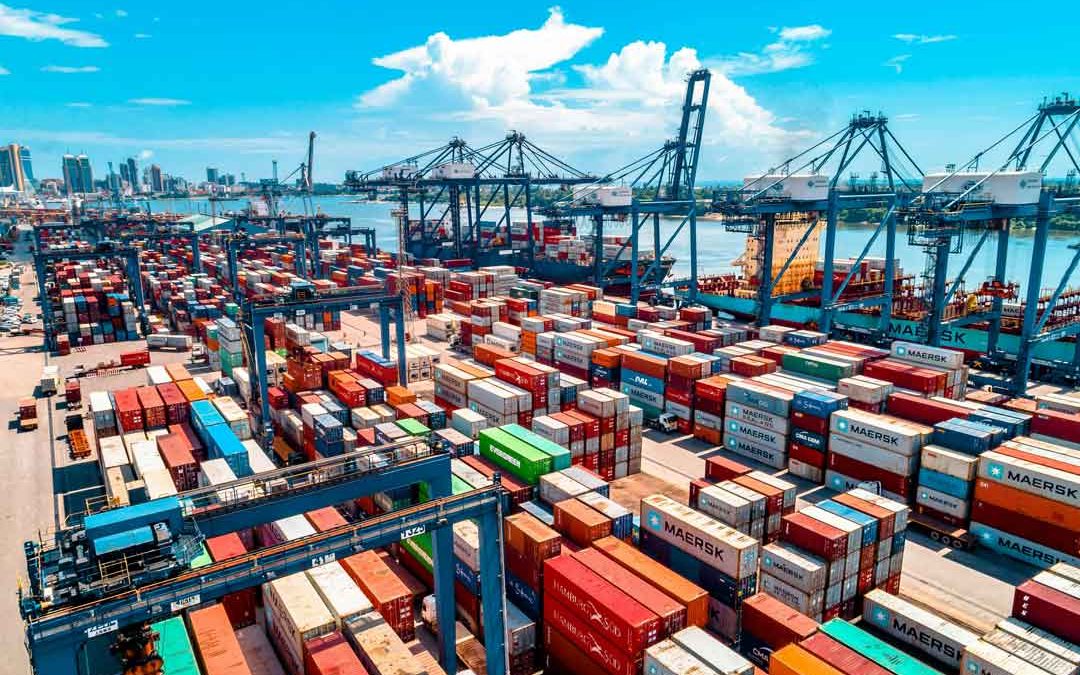
Most green coffee ships in 20-foot containers, which hold about 320 bags of 60 kg, around 19.2 tonnes. Coffee from northern Sumatra usually leaves from Belawan port near Medan. Transit times depend on your destination and the route, including any transshipment stops, so ask your exporter or forwarder for current schedules.
For smaller orders, coffee can travel as a part load (LCL), shared with other cargo, or by air for very small quantities, though both cost more per kilo.
Long sea voyages through changing temperatures can cause condensation inside containers. Hermetic liners and container lining paper protect your coffee. Our green coffee storage guide explains how to keep beans in good shape on the way and after they land.
Common mistakes first-time importers make
Choosing on price alone. A cheap lot that arrives musty costs far more than it saved.
Skipping the pre-shipment sample. It’s the only sample taken from the coffee you’ll actually receive.
Vague contracts. Spell out grade, moisture, packing, shipment month and what happens if quality doesn’t match.
Not checking import rules first. Find out what your country requires before the coffee leaves Indonesia.
Forgetting insurance. On FOB and CFR terms, the coffee is your risk once it’s on the ship.
Working with us
We’re a coffee trading and exporting company based in North Sumatra, shipping from Belawan. We supply Arabica from Mandheling, Gayo and Lintong, plus Sumatra Robusta, in grades from Grade 1 Triple Pick down to commercial grades. To learn more about what to expect from the beans themselves, see our green coffee facts guide.
| Item | Details |
|---|---|
| Coffees | Arabica Mandheling, Gayo, Lintong; Robusta Sumatra |
| Grades | Grade 1 TP, Grade 1 DP, Grade 2, Grade 4, commercial |
| Packing | 60 kg jute bags |
| Price terms | FOB, CFR, CIF (negotiable) |
| Payment | L/C or bank transfer |
| Loading port | Belawan, Medan |
| Order sizes | From smaller lots to full 19.2 tonne containers |
| Samples | Available on request |
Not sure which coffee suits you? Our guides to Arabica vs Robusta and coffee processing are good places to start, and you can see all our origins on the Coffee Offerings page.
Ready to import coffee from Indonesia?
Start with samples. Tell us what you roast and how much you need, and we’ll suggest the right Sumatran lots.
Frequently asked questions
How do I import coffee from Indonesia?
Choose an exporter, request and cup samples, agree price and terms, sign a contract, approve the pre-shipment sample, pay as agreed, then clear customs in your country with the shipping documents the exporter provides.
How much coffee fits in a container?
A 20-foot container holds about 320 bags of 60 kg, roughly 19.2 tonnes of green coffee.
What is the difference between FOB and CIF?
Under FOB, the seller covers costs until the coffee is loaded in Indonesia, and you pay freight and insurance. Under CIF, the seller also pays sea freight and basic insurance to your port.
What documents do I need to import coffee?
Usually a commercial invoice, packing list, bill of lading, certificate of origin and phytosanitary certificate, plus any extra documents your country requires. Check with your customs broker.
Can I import a small amount of coffee from Indonesia?
Yes. Smaller orders can ship as part of a shared container or by air, although the cost per kilo is higher than for a full container.
Which Indonesian coffee should I import first?
Many roasters start with a Sumatran Arabica such as Mandheling or Gayo. Both are well known, distinctive and work for single origin and espresso blends.
CV. Buah Berdikari is a coffee trading and exporting company based in North Sumatra, Indonesia. We source Arabica and Robusta green coffee from North Sumatra and Aceh and help roasters and importers find the lots that fit what they’re making.