
Sumatra coffee harvest season timing matters more than many buyers expect. Buy too late in the year and you may end up with tired, past-crop beans; buy at the right moment and you get the freshest lots of the season. Knowing when the harvest happens helps you plan samples, contracts and shipments so the coffee reaches your roastery at its best.
Sumatra is a little different from many origins because it doesn’t have just one neat harvest. Sitting right on the equator, the island has rain spread through much of the year, so coffee trees flower and ripen in waves. This guide explains when Sumatra’s Arabica and Robusta are harvested, why the timing varies, and how to use the calendar to plan your buying.
Sumatra coffee harvest season at a glance
| Arabica main harvest | Roughly September to December, sometimes running into the new year |
| Arabica second harvest | A smaller harvest, roughly April to June |
| Southern Robusta harvest | Starts around April, peaks around June to August |
| Picking style | By hand, in several rounds as cherries ripen |
| Best time to cup new crop | A month or two after the harvest begins |
| Biggest risk | Heavy rain during harvest and drying |
Why Sumatra has more than one harvest
In origins with a clear dry season, coffee trees flower once after the first big rains, and the whole crop ripens at roughly the same time. Sumatra doesn’t work that way. It lies across the equator and gets rain for most of the year, with wetter and drier spells rather than one long dry season.
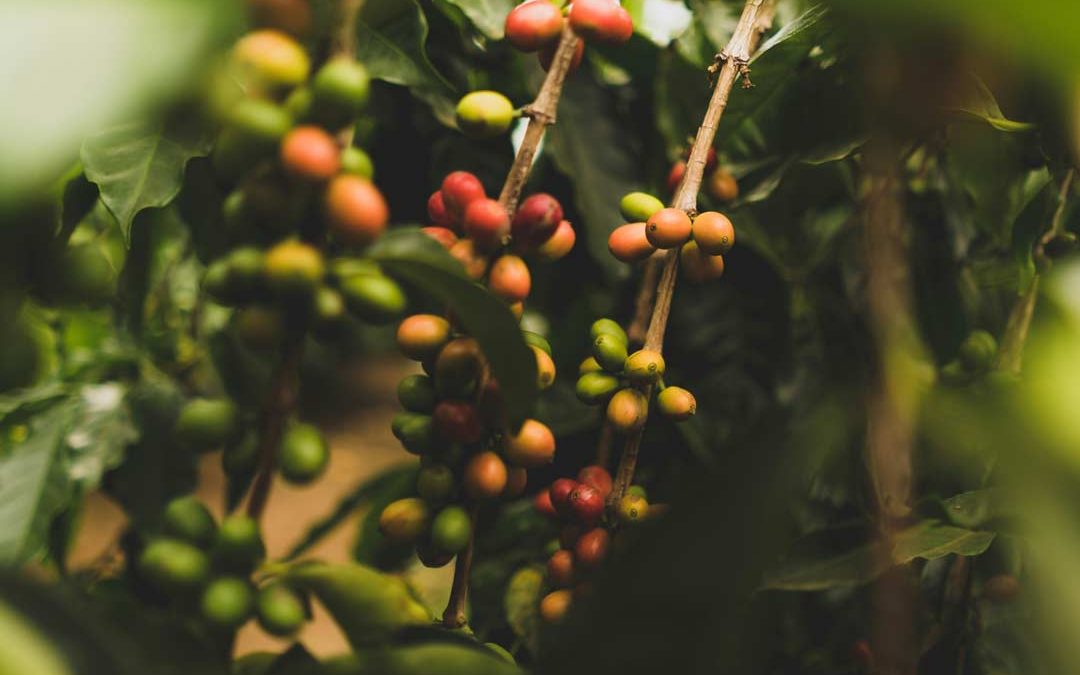
As a result, Arabica coffee trees on Sumatra tend to flower several times a year, and cherries on the same branch can be at different stages of ripeness. Farmers pick in rounds, coming back to the same trees again and again over several months. That’s why Sumatra has a main harvest and a smaller second harvest, often called the fly crop, and why the seasons blur into each other.
Weather drives all of this. A study of Arabica in North Sumatra by Malau and colleagues (2018) in Scientia Agriculturae Bohemica found that the length of the rainy season was the single most important climate factor for coffee performance across the province’s growing zones, and that higher farms suffered less from the coffee berry borer. In practice, a wetter or drier year can shift the harvest by weeks and change how much coffee there is.
Sumatra coffee harvest season calendar
These are typical windows. The exact timing changes from year to year with the weather, and from one area to the next with altitude.
| Months | Arabica (Aceh and North Sumatra) | Robusta (southern Sumatra) |
|---|---|---|
| January – March | Main harvest winding down; flowering for the next crop | Cherries developing |
| April – June | Second, smaller harvest (fly crop) | Harvest begins and builds |
| July – August | Cherries developing for the main crop | Peak harvest |
| September – December | Main harvest | Harvest tapers off |
Arabica: Gayo, Mandheling and Lintong
Sumatra’s highland Arabicas, from Gayo in Aceh and Mandheling and Lintong in North Sumatra, have their main harvest in the second half of the year, roughly September to December. On some farms picking continues into the early months of the next year. A smaller second harvest usually comes around April to June.
Altitude makes a difference. Cherries ripen more slowly on higher, cooler farms, so their harvest often starts a little later than on lower farms nearby.
Robusta: southern Sumatra and Sidikalang
The big Robusta regions of Lampung, South Sumatra and Bengkulu usually start harvesting around April, with the peak running from about June to August before supply drops off in September. In the north, Robusta from areas like Sidikalang follows its own local rhythm. You can read more in our guide to Sumatra Robusta, and our overview of Sumatra coffee regions shows where each area sits on the island.
From harvest to shipment
Harvested cherries don’t ship straight away. For wet hulled Arabica, the usual steps are:
- Picking. Ripe cherries are picked by hand, over several rounds.
- Pulping and first drying. Farmers pulp the cherries and partly dry the beans at home.
- Wet hulling and final drying. Collectors remove the parchment and dry the beans to around 12% moisture.
- Sorting and grading. Exporters clean, sort and grade the coffee, then bag it in 60 kg jute bags.
- Samples and approval. Buyers cup offer and pre-shipment samples.
- Shipping. Containers are loaded at port, such as Belawan in Medan, and sail to the buyer’s country.
Because wet hulling speeds up drying, new crop Sumatran Arabica can reach the export market relatively quickly after harvest begins. Our guides to coffee processing and coffee drying explain the steps in more detail.
How to plan your Sumatra coffee buying
A little planning goes a long way.
- Cup new crop early. Ask for offer samples a month or two after the main harvest begins, when the first new crop lots are ready. Our guide to green beans coffee sampling explains what to ask for.
- Contract ahead for regular needs. If you roast Sumatra all year, agree on shipments spread over the coming months rather than buying everything at once.
- Watch the crop year. Coffee bought late in a season may already be several months old. Ask when your lot was harvested.
- Allow time for shipping. Add the time for processing, documents and the sea voyage to your planning. Our step-by-step guide on how to import coffee from Indonesia covers each stage.
- Store well once it lands. Good storage keeps your coffee fresh until the next harvest. See our green coffee storage guide.
| If you want… | Plan to |
|---|---|
| The freshest Sumatran Arabica | Cup new crop samples from late in the year and ship soon after |
| Steady supply all year | Contract spaced shipments across the season |
| New crop Robusta for blends | Look for offers from mid-year, around the peak harvest |
| A good price | Plan early and avoid last-minute orders when supply is tight |
Buying Sumatra coffee from us
We export Arabica from Mandheling, Gayo and Lintong, plus Sumatra Robusta, from Belawan port in Medan. Ask us about the current crop, what’s available now, and what’s coming in the next harvest. For grades and shipping terms, see our guides to Indonesian coffee grades and FOB vs CIF, or browse everything on our Coffee Offerings page.
Cup this season’s Sumatra coffee
Request samples from our current crop and plan your next shipment with us.
Frequently asked questions
When is the Sumatra coffee harvest season?
Sumatra’s Arabica main harvest usually runs from about September to December, with a smaller second harvest around April to June. Robusta in southern Sumatra is harvested from around April, peaking from about June to August.
Why does Sumatra have two coffee harvests?
Sumatra lies on the equator and gets rain for much of the year, so coffee trees flower more than once. That leads to a main harvest and a smaller second harvest.
When is the best time to buy Sumatran coffee?
For the freshest Arabica, cup new crop samples a month or two after the main harvest starts, then contract and ship. For year-round supply, plan spaced shipments across the season.
When is Robusta harvested in Sumatra?
In the main southern regions of Lampung, South Sumatra and Bengkulu, the Robusta harvest usually starts around April and peaks from about June to August.
Does the harvest change every year?
Yes. Rainfall, temperature and altitude all shift the timing and size of the harvest, sometimes by several weeks.
What is a fly crop?
A fly crop is a smaller, secondary harvest that comes outside the main harvest. On Sumatra, it usually comes around April to June for Arabica.
CV. Buah Berdikari is a coffee trading and exporting company based in North Sumatra, Indonesia. We source Arabica and Robusta green coffee from North Sumatra and Aceh and help roasters and importers find the lots that fit what they’re making.